
Raku jewels: wear elegance
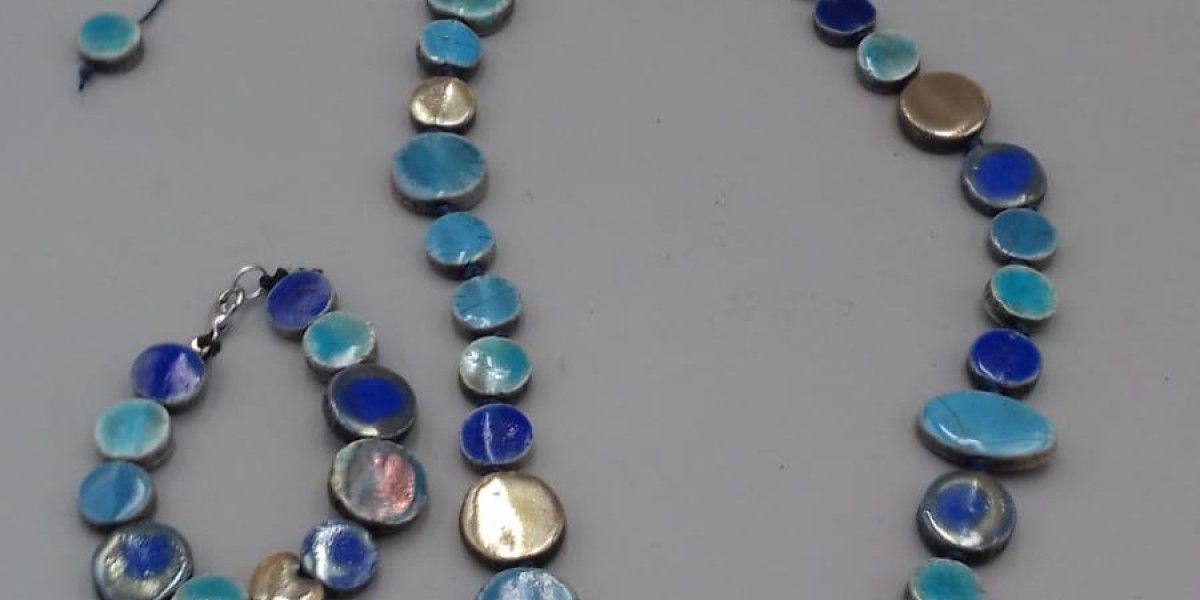
The ceramic to wear. The ceramic that becomes a jewel. It is not a fantasy, it is reality and it is one of the unique things you can find at L'Arte della Ceramica Positano: handmade raku jewelry by Lisa Cinque.
As we said here, the peculiarity of raku ceramic is craquelé, those small unexpected cracks that make the object unique. A network that is almost a map that tells a story. And it is precisely from this suggestion that the idea of working raku ceramics was born not only to create furnishings, but also jewelry.
Raku necklaces, earrings, bracelets: there is an embarrassment of choice in the store and all the jewels are made entirely by hand following the techniques of craftsmanship of the raku, therefore with a cooking that can go from 980 to 1000 degrees. The raku jewels of L'Arte della Ceramica Positano are then assembled and finalized always by hand, using leather or silver or nickel-free metal cords.
Wearing a raku jewel is like carrying a work of art that tells a unique story: we start from the project, an idea, a suggestion found in a glimpse of Positano, in a reflection of the light of the sunset on the sea, which it becomes an object, created with hands, it becomes a jewel, painted and finished, designed to rest with the delicacy of ceramic on the skin and reflect not only the light but the whole history that led to its creation.
Read also
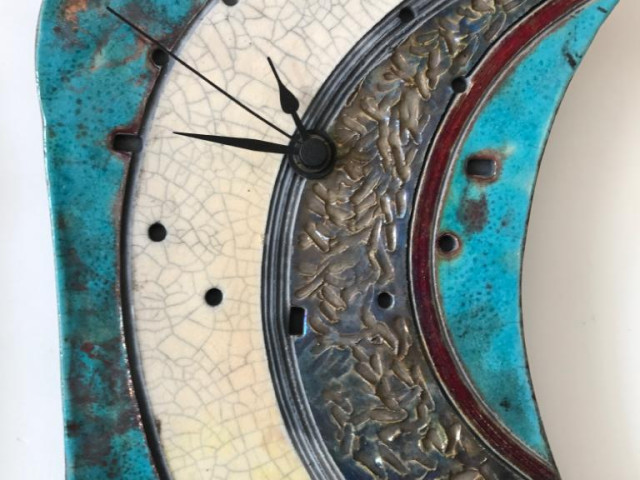
Lisa Cinque's ceramics in the Rai 1 series "The devil's clocks"
The works of Lisa Cinque decorate the set of "Gli orologi del diavolo", the Rai 1 drama starring Giuseppe Fiorello.
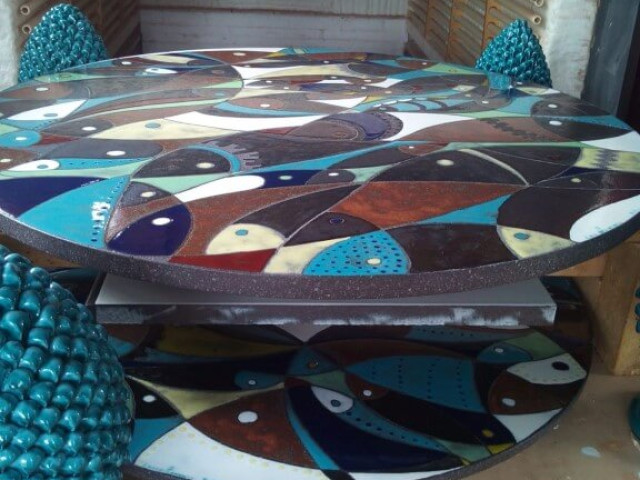
Lava stone and ceramic: a magical combination
The lava stone by Lisa Cinque is perfect to create furnishings for the outside. Enamelled and decorated by hand redefines colors and makes it bright.
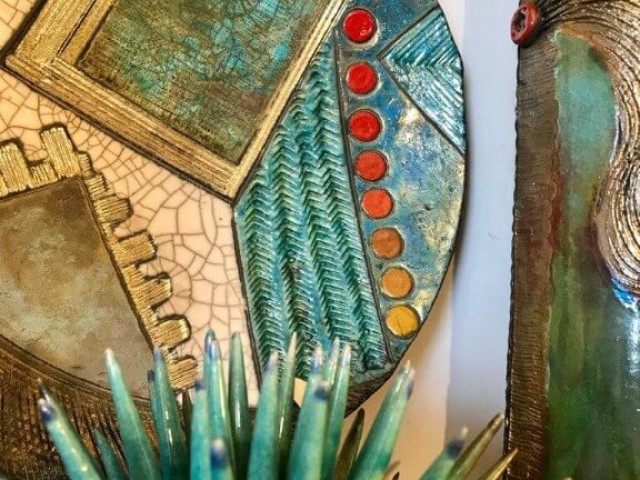
Raku and classical ceramics: two techniques compared
What is the difference between raku and classic Positano ceramic? Surely the thing they have in common is tradition.